
Federation for Research in Audiovisual, Media and Ecology
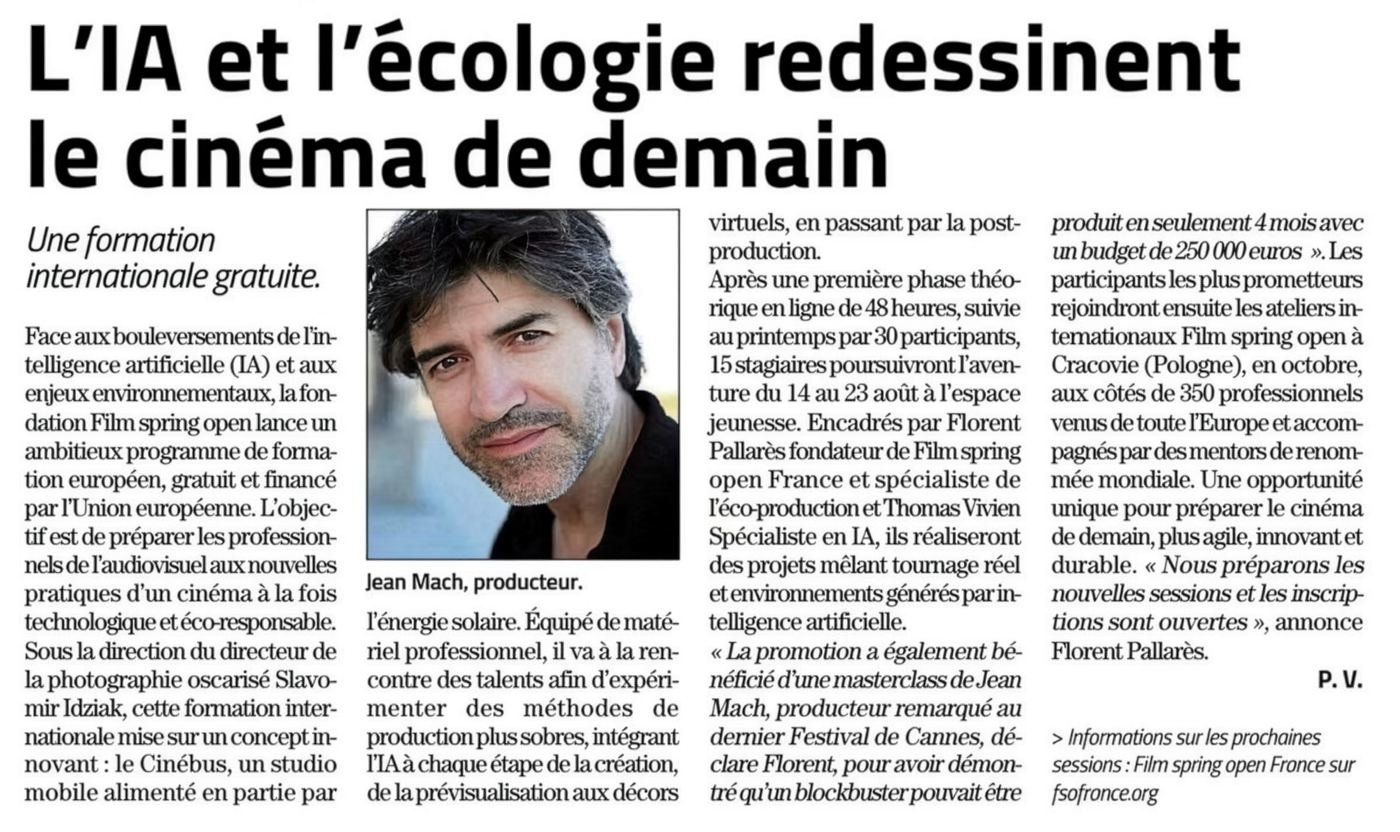
Created in 2018 during Film Spring Open France’s first Ecological Film Residency in Cabestany, FRAME works closely with the Film Spring Open foundation to develop a green, sustainable system for audiovisual production. Long committed to environmental issues, Film Spring Open has, for example, built a Cinébus for an eco-friendly, cost-effective production model, with Natalie Portman as guest of honour.
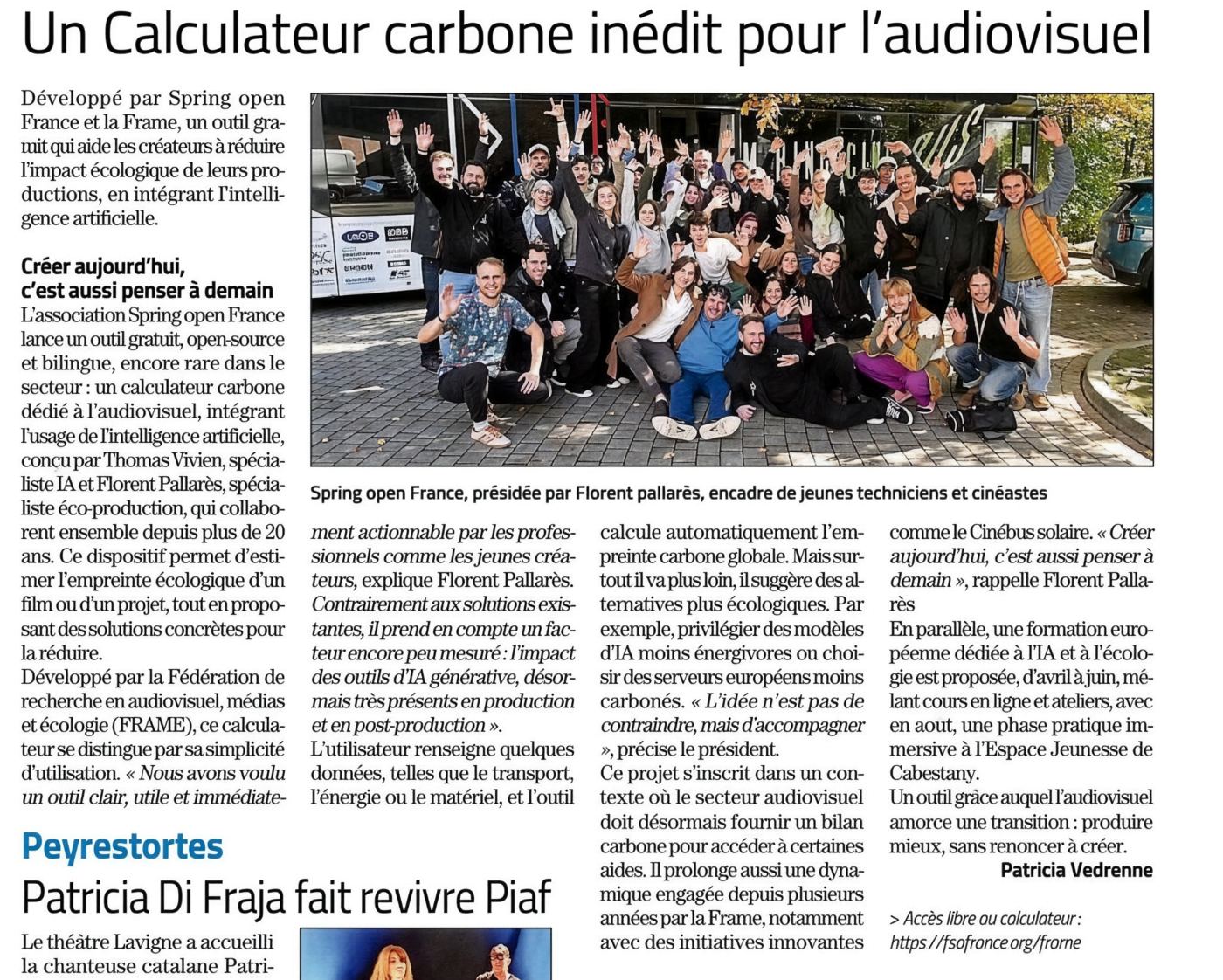
We are currently exploring how to use artificial intelligence in the most ecological way possible, under the guidance of Florent Pallares and Thomas Vivien. They have notably developed an AI-powered carbon calculator that gives advice for eco-responsible production. Other tools are also included, such as a prompt generator, help writing a screenplay, and creating the greenest possible festivals or websites.
Our tools
 Frame Script
 FRAME PROD
 Frame JSON-AI-Gen
 Frame Flow
 Frame Web
 Frame RSV Fixer
 Frame CO2 AI
 Frame Fest
Below you’ll find a few examples featured at the Green Film Open or in the documentary Make an Interactive and Ecological Film in Pandemic Times.
It’s worth knowing that producing a feature film generates, on average, a thousand tonnes of carbon equivalent — roughly the same as manufacturing a thousand desktop computers. In our view, the first step is educating the crew on practices that reduce their environmental footprint. Everyone needs to be aware of the impact of their actions, and above all of their power to act differently.We offer a whole list of simple recommendations and online resources, covering everything from production tools (email, internet boxes, etc.) to shooting (eco-friendly generators, LED lighting, the « studio in a backpack » concept that minimises equipment, the least energy-hungry cameras, etc.), as well as post-production and carbon-debt offsetting. Aware that it’s also essential to minimise travel, by keeping production in one place as much as possible, we created an artist residency at the Espace Jeunesse in Cabestany, France, in a building powered by solar energy. Since 2018, every August we’ve run a 15-day training programme there to put this green, sustainable production approach into practice through real creative work. On set, we encourage using as little plastic as possible and buying supplies directly in glass containers. We recommend using solid tableware rather than disposable plastic, and keeping the same cup for as long as possible, simply by writing your name on it. For food, local, short supply chains are encouraged to avoid the cost of transporting food, and in the same spirit, eating as little processed food as possible — which is also good for the crew’s health. To find out more about green production, you can check out the European Green Production Toolkit, Colin Destombe’s dissertation Concilier écologisme et production, the GoodPlanet Foundation, Ecoprod, or A Better Prod. You can also find examples of green productions made at the Espace Jeunesse in Cabestany in the clips Please mon amour and See You Up There by Dayan and Kemar. The footage was shot at 12,800 ISO to use as little power as possible, and all the equipment was run on solar energy supplied by the Espace Jeunesse in Cabestany and our partner Ecologène. Interested in our project? Get in touch
Press, podcast & videos
A few examples featured at the Green Film Open, in the press, and resources for greener production: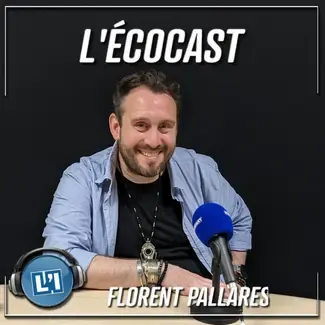 L’Indépendant
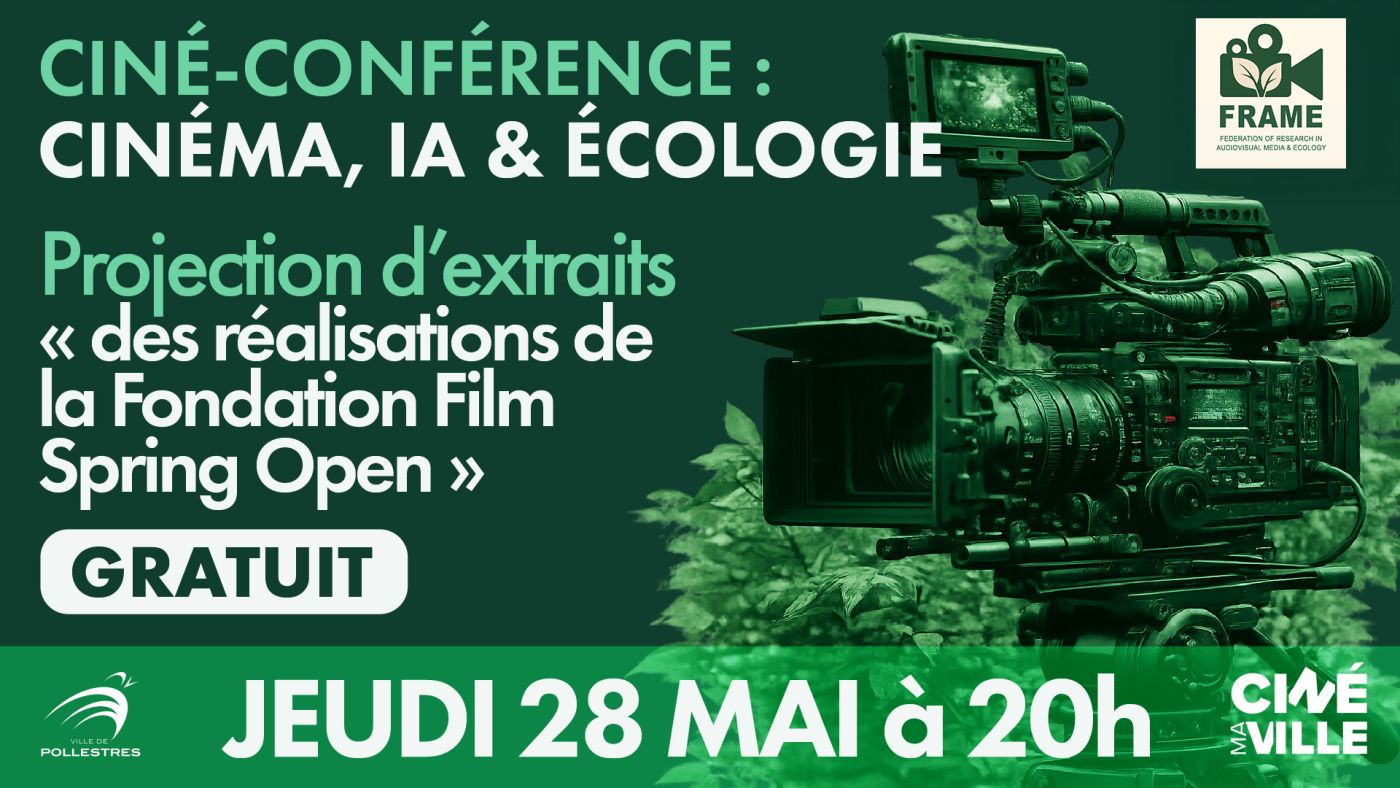 Pollestres talk